Search results for:

Byanitasm

End Speciesism

End Speciesism

Speciesism: an unjust ideology

Humans have the tendency to treat different species in different ways depending on the level of societal conditioning that has taken place, most notably in the formative years. How we were raised largely dictates our relationships with other humans and other nonhuman species. If we were raised in an environment where mutual respect occurred between species, say between a human and a dog, or between goat and a pig, and we were constantly surrounded by other species, either wild or domesticated, we would tend towards to a greater level of respect and understanding for these and other species. If we were raised in an environment with little interaction with other species, maybe only a dog that was yelled at all the time, and spent most of its life in a kennel outdoors, we would likely develop very differently.

For many people the formative years were likely experienced in a situation somewhere between these two examples. No doubt most people were raised with the belief that a dog, cat, budgerigar or goldfish are “pets”, and that pigs, cows, chickens, and tuna are “merely food”. This is speciesism. The belief that arbitrarily drawn lines exist between one species and another. The belief that certain species were put on the earth for us to “pet” while others exist only for us to “eat”.

The reality is that all sentient beings have the will to live. They experience emotions like joy and sadness, and they feel pain as well as pleasure. To say one species is “better” or “superior” to another is fallacy. We can only say that one species is different from another. We should treat all species equally, and we should respect their lives and their interests, and recognise their intrinsic worth.

A cow is a sentient being who has feelings and emotions just like a human. End speciesism.

A chicken is a sentient being who has feelings and emotions just like a human. End speciesism.

A sheep is a sentient being who has feelings and emotions just like a human. End speciesism.

A pig is a sentient being who has feelings and emotions just like a human. End speciesism.

Be The Change You Want To See In The World

Make the decision today to end speciesism. It is your choice. It is a relatively simple matter to stop exploiting other species to satisfy your individual wants. Change how you think about other species and make the choice to be considerate and understanding.

Choose a lifestyle that seeks to eliminate suffering of nonhuman animals. Adopt a diet free of any animal products. Wear clothing that causes no suffering for nonhumans. Select personal products with no animal ingredients and not tested on nonhuman animals. Choose respect and kindness for all other beings.

In the vast tapestry of life, every species feels, dreams, and hopes. Just as we cherish memories, so does the cow, remembering those she’s met. Just as we share special times and bond with our families, so does the mother pig with her young. As we strive for a worthwhile future, the chicken tends to her chicks with care and attention, hoping they will grow and thrive. Let us recognise these shared experiences and emotions. We must transcend our biases and embrace the unity of all beings. End speciesism.

World Day for the End of Speciesism

The last Saturday in August each year is celebrated as World Day for the End of Speciesism (WoDES). This is a time when people are challenged to make positive change by recognising speciesism as a widespread problem affecting most of us.

If you need to know more, visit WoDES, or contact us.

(All images created with Midjourney AI)

Bychris

Small Grants Program

Animals Tasmania is in the position to provide financial support for activities that will ultimately help animals in Tasmania. The inaugural Animals Tasmania Small Grants Program is now open! Grants of $500-$5,000 are being offered, with a total pool of $15,000 available to eligible applicants.

Applications close on Saturday 28 February, 2026


What Will the Grants Fund?

Grants are primarily available for projects that:

  • Promote and support veganism; and/or
  • Advocate for animals (native or non-native)

Grants may also contribute towards essential equipment for animal care

Grants can be used to cover costs associated with running an event, pay for advertising as a part of a campaign, or fund educational activities. Grants may assist with a contribution towards funding needed equipment such as for wildlife carers or animal sanctuaries. If you have an idea outside of this, float it with us!

What the Grants Won’t Fund

  • Grants cannot be used to purchase food for animals
  • Grants cannot be used to purchase any food or goods for project activities that are not vegan
  • Grants may not be used to pay wages
  • Grants cannot be paid to political parties
  • Grants may not be used for veterinary care

Who Can Apply and Grant Conditions

Applications will be considered from incorporated organisations, community groups, and individuals in certain circumstances.

Projects must be undertaken in Tasmania, but may be applied for by organisations based in mainland Australia.

Should an application from an individual or a small group without formal structure be successful, Animals Tasmania may choose to retain the grant funds and pay project invoices directly.

Grants for essential equipment for animal care will only be considered for registered charities or incorporated organisations.

Designing Your Project

Points to consider when designing your project and putting your grant application together:

  • Have clear aims and objectives
  • Think about what outcomes you are wanting to create
  • Include a project plan with timelines
  • Provide a detailed budget of proposed expenditure

Application Process

Use the time before the closing date (28 February 2026) to plan and cost your project as much as possible. The more information you provide in your application, the greater the prospect of success.

View our application form in plenty of time to make sure you have gathered all the required information: AT Small Grants Program Application Form or request a PDF application form

Applications will be assessed by the Animals Tasmania Committee in early March. Applicants will be notified of the outcome of assessments by the end of March 2026. The decision on successful and unsuccessful grant applications by the Animals Tasmania Committee will be final.

The Future

It is intended that the grants program become an annual activity. This first year will provide feedback to Animals Tasmania on the need, the targeting of the grants, and the process.

Questions

If you have any questions, please email info@animalstasmania.org.au and include your phone number if you would prefer to discuss by phone.

Byanitasm

End Speciesism

Speciesism: an unjust ideology

Humans have the tendency to treat different species in different ways depending on the level of societal conditioning that has taken place, most notably in the formative years. How we were raised largely dictates our relationships with other humans and other nonhuman species. If we were raised in an environment where mutual respect occurred between species, say between a human and a dog, or between goat and a pig, and we were constantly surrounded by other species, either wild or domesticated, we would tend towards to a greater level of respect and understanding for these and other species. If we were raised in an environment with little interaction with other species, maybe only a dog that was yelled at all the time, and spent most of its life in a kennel outdoors, we would likely develop very differently.

For many people the formative years were likely experienced in a situation somewhere between these two examples. No doubt most people were raised with the belief that a dog, cat, budgerigar or goldfish are “pets”, and that pigs, cows, chickens, and tuna are “merely food”. This is speciesism. The belief that arbitrarily drawn lines exist between one species and another. The belief that certain species were put on the earth for us to “pet” while others exist only for us to “eat”.

The reality is that all sentient beings have the will to live. They experience emotions like joy and sadness, and they feel pain as well as pleasure. To say one species is “better” or “superior” to another is fallacy. We can only say that one species is different from another. We should treat all species equally, and we should respect their lives and their interests, and recognise their intrinsic worth.

A cow is a sentient being who has feelings and emotions just like a human. End speciesism.

A chicken is a sentient being who has feelings and emotions just like a human. End speciesism.

A sheep is a sentient being who has feelings and emotions just like a human. End speciesism.

A pig is a sentient being who has feelings and emotions just like a human. End speciesism.

Be The Change You Want To See In The World

Make the decision today to end speciesism. It is your choice. It is a relatively simple matter to stop exploiting other species to satisfy your individual wants. Change how you think about other species and make the choice to be considerate and understanding.

Choose a lifestyle that seeks to eliminate suffering of nonhuman animals. Adopt a diet free of any animal products. Wear clothing that causes no suffering for nonhumans. Select personal products with no animal ingredients and not tested on nonhuman animals. Choose respect and kindness for all other beings.

In the vast tapestry of life, every species feels, dreams, and hopes. Just as we cherish memories, so does the cow, remembering those she’s met. Just as we share special times and bond with our families, so does the mother pig with her young. As we strive for a worthwhile future, the chicken tends to her chicks with care and attention, hoping they will grow and thrive. Let us recognise these shared experiences and emotions. We must transcend our biases and embrace the unity of all beings. End speciesism.

World Day for the End of Speciesism

The last Saturday in August each year is celebrated as World Day for the End of Speciesism (WoDES). This is a time when people are challenged to make positive change by recognising speciesism as a widespread problem affecting most of us.

If you need to know more, visit WoDES, or contact us.

(All images created with Midjourney AI)

Bychris

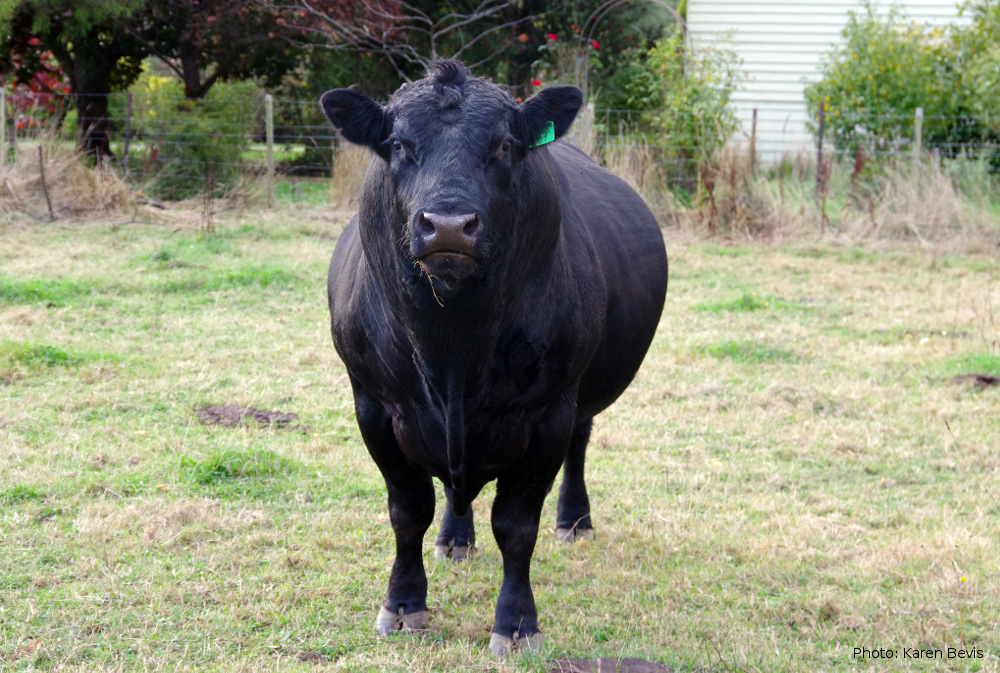
Media Release – Cattle Crash Deaths Avoidable

MEDIA RELEASE
23 October 2018
Cattle Crash Deaths Avoidable

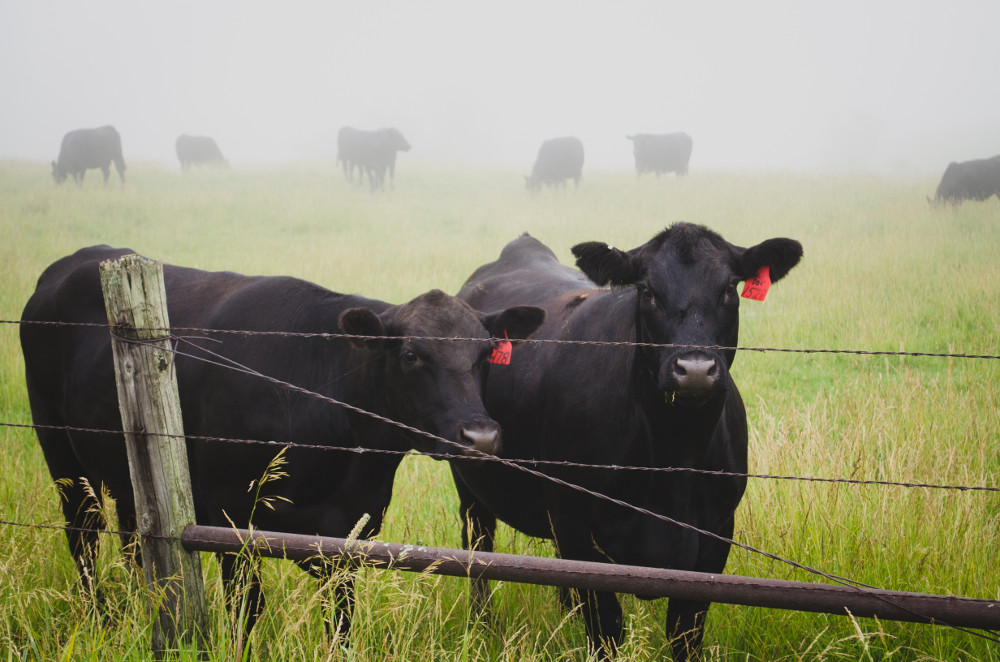
Animals Tasmania (AT) are distressed by the recent truck crash at George Town last night that apparently claimed the lives of several cattle.

Read More

Bychris

VeganFest Tasmania

4 November 2018

10am- 3pm

Kingston Beach Community Hall


Get excited because we will soon be holding the inaugural VeganFest Tasmania! This will be a celebration of all things vegan. Read More

Bychris

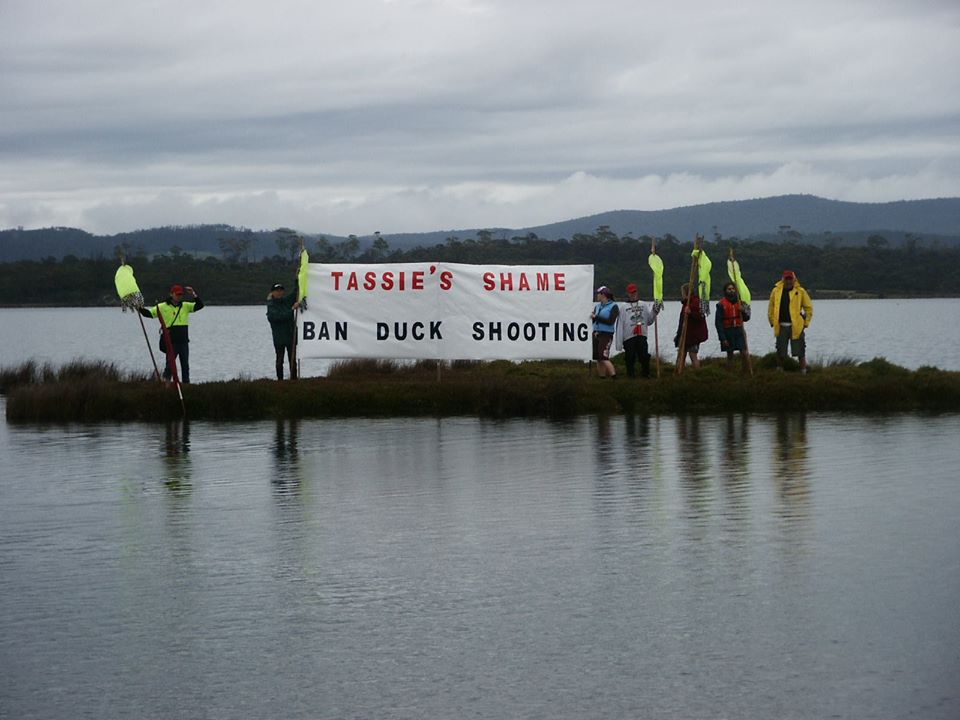
Media Release – Ducks and Guns Don’t Mix

MEDIA RELEASE
10 March 2018
Ducks and Guns Don’t Mix  – Ban Duck Shooting

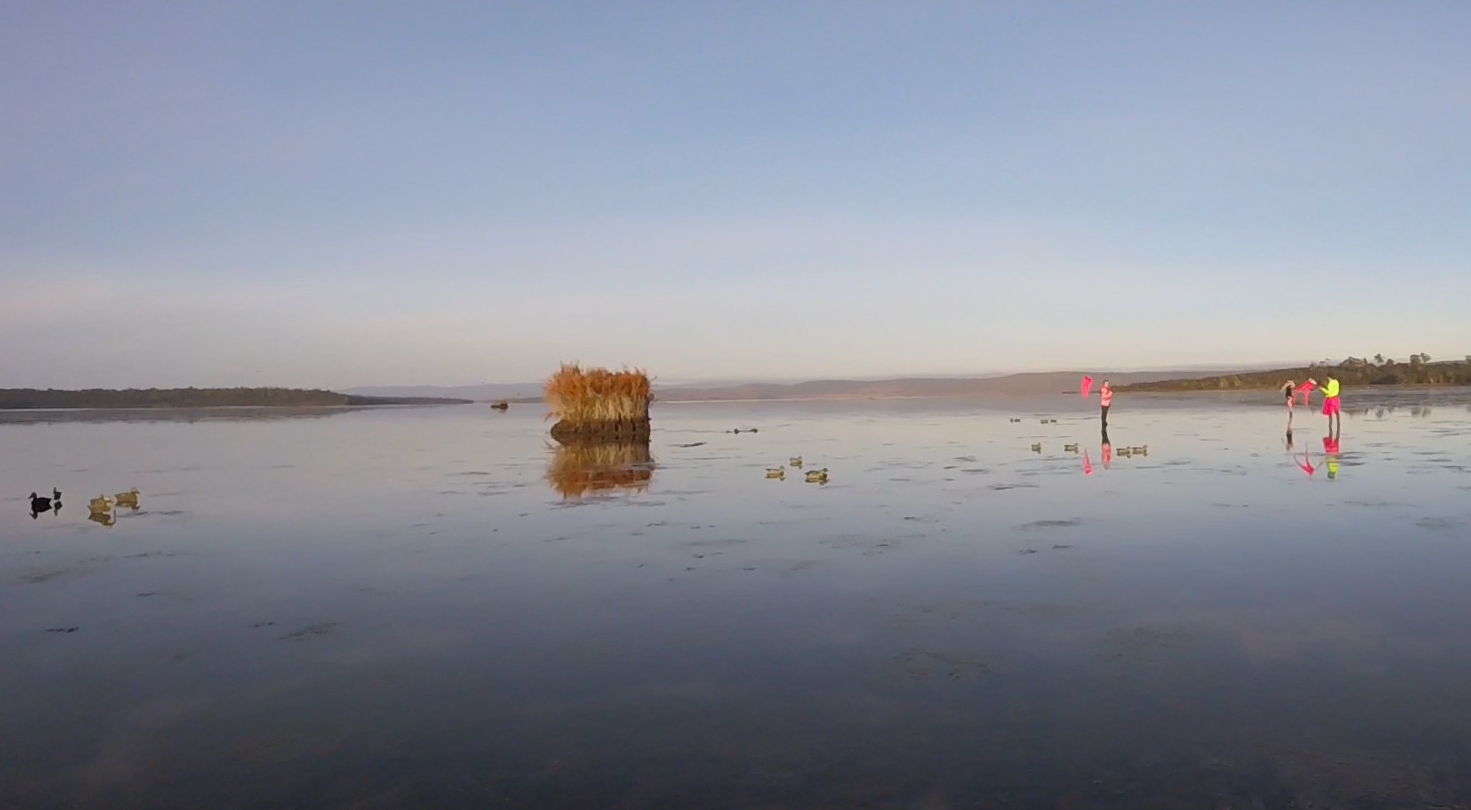
Animals Tasmania (AT) and concerned citizens are ready to protect native ducks on the eve of the 2018 duck shooting season. Rescuers will take to wetlands

Read More

Bychris

Media Release – End Horse Racing – Action at Hobart Cup

MEDIA RELEASE
11 February 2018
End Horse Racing – Action at Hobart Cup

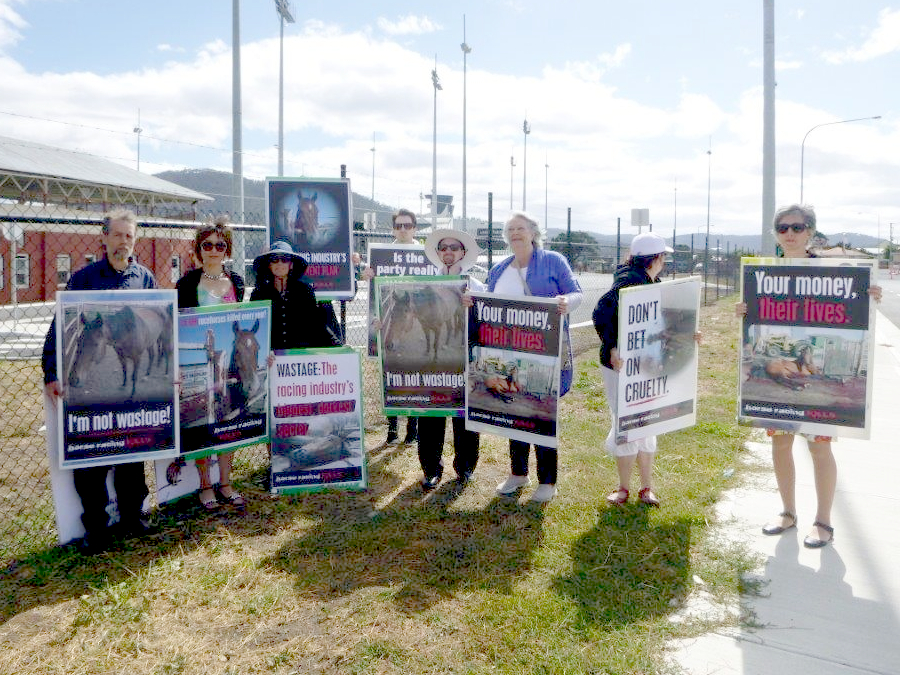
Animals Tasmania wants and end to the needless exploitation of horses used in racing. This is part of a wider call for an end to the treatment of nonhuman animals as property.

Read More

Bychris

Media Release – World Day for the End of Speciesism

MEDIA RELEASE
26 August 2017
World Day for the End of Speciesism

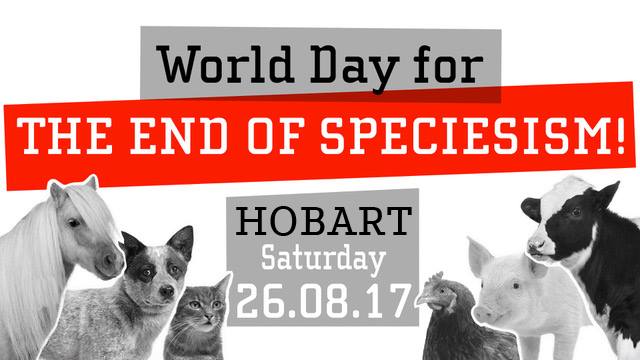
“Our present relationship with nonhuman animals is usually based on speciesism. Speciesism is an unjust ideology that considers the lives and interests Read More

Bychris

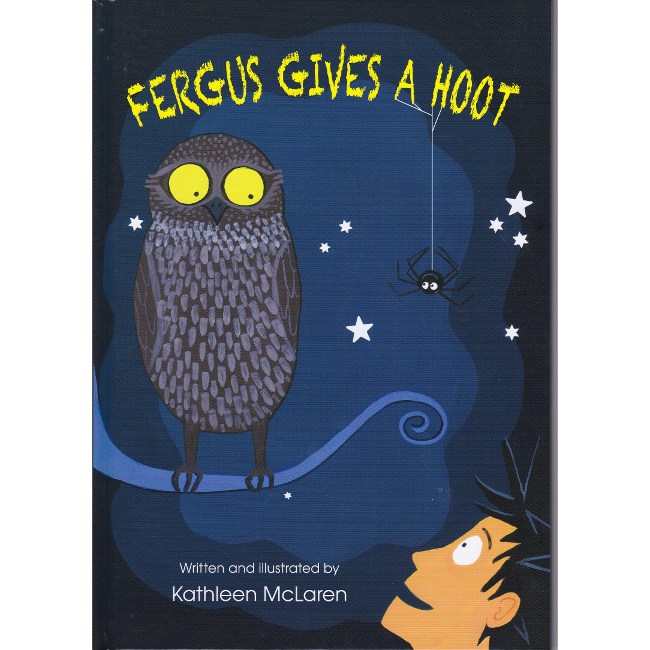
Fergus Gives A Hoot book

Wildlife activists Owl and Echidna feel sick and sad that so many of their friends and family members are hurt and killed on the roads in their neighbourhood. They want humans to make their roads safer for wildlife. As Owl says “Humans must remember that this is our home too, and that our lives matter!”

Owl and Echidna form a group with like-minded friends in order to tackle the problem. They come up with a clever plan that involves planting a very special seed in a special place…

This proves to be quite a tricky task so they ask human wildlife activist, Fergus Fleegelbaum, to help. Fergus is fearless and determined, but will he succeed in carrying out his part of their clever plan to make roads safer for wildlife?

———————————————————————————-

Tasmania has been dubbed the road-kill capital of the world. Our state has the highest number of native animals killed by vehicles in Australia. Every year about half a million marsupials, birds and reptiles are killed on Tasmanian roads. But that’s only an estimate because after they’ve been injured, many animals move away from the road to die, or are eaten by scavengers. The actual number could be closer to one million. Long disturbed by this fact, primary school teacher, Kathleen McLaren decided to write a children’s book on the issue.

Ms McLaren said “It was a delicate balance to raise the subject of roadkill in a children’s book and to make the story enjoyable and (hopefully) even amusing in parts. I wanted also to demonstrate that it’s good to care and feel motivated to take action.”

Fergus Gives a Hoot’ is a children’s book dedicated to the thousands of wild animals injured, maimed, traumatised and killed on Tasmanian roads; also to the wildlife rescuers, carers and veterinarians who give their time and energy freely to rehabilitate the survivors; and to the scientists and educators working to prevent this unacceptable and unnecessary slaughter.